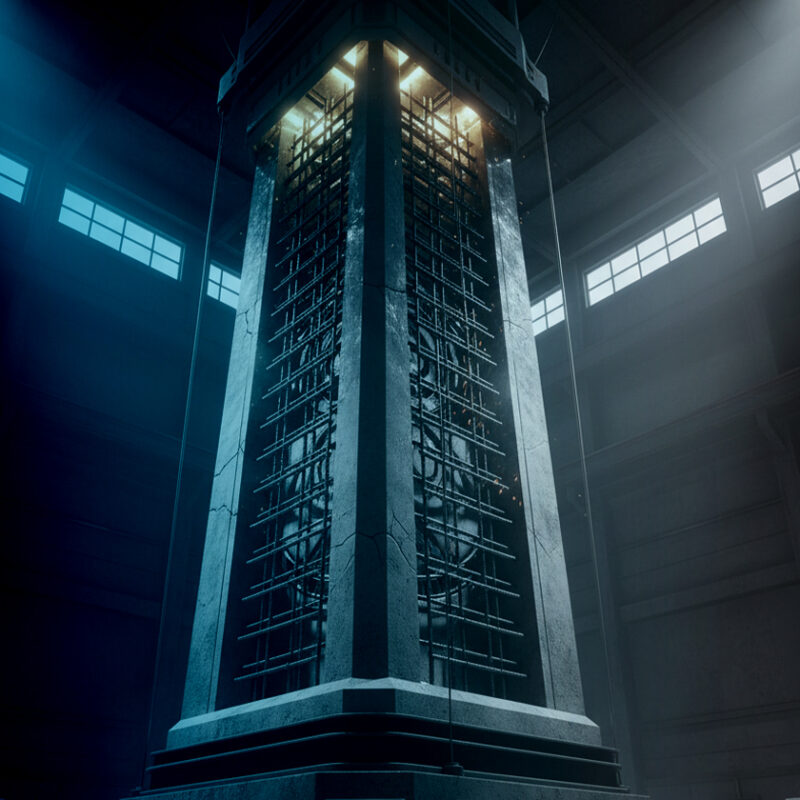
Concrete
The latest technologies and the best types
Thanks to our engineers, equipment, and precision technical laboratories, we are distinguished by offering a scientifically proven product: durable, high-performance concrete in various types.
Thanks to our engineers, equipment, and precision technical laboratories, we are distinguished by offering a scientifically proven product: durable, high-performance concrete in various types.
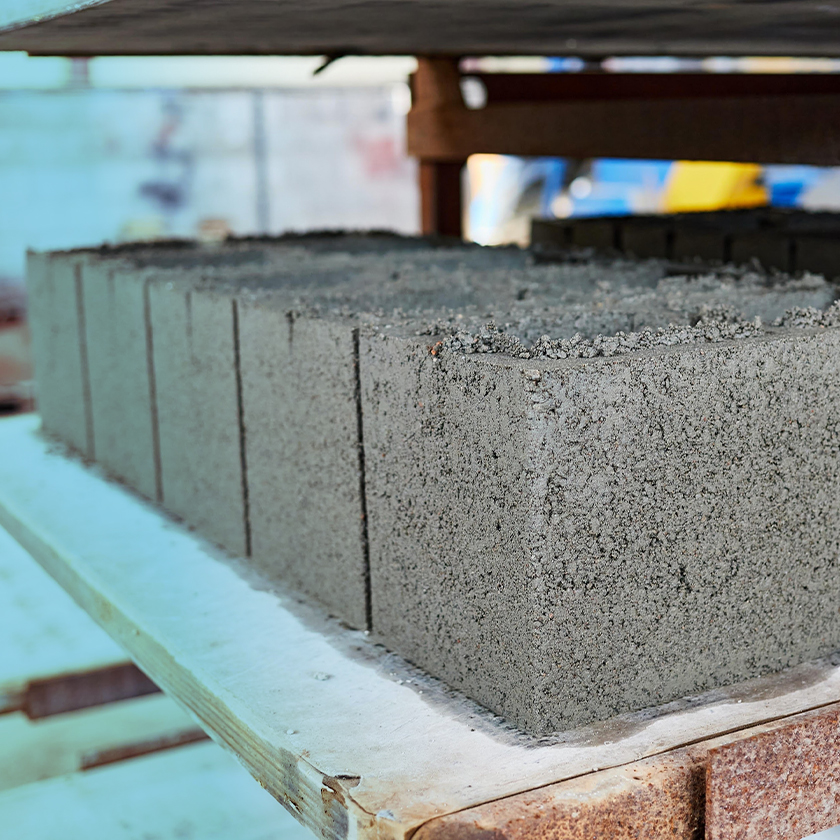
Lightweight foamed concrete (as fill material) - and lightweight construction
Lightweight foamed concrete is used as an ideal backfill material for filling voids around foundations, reservoirs, and utility networks while reducing soil loads.
It features low density with good strength retention, making it a suitable, safe, and efficient engineering solution for various backfilling projects.
It provides excellent thermal and acoustic insulation, contributing to improved building efficiency and reduced long-term energy consumption.
Lightweight structural concrete reduces loads on columns and footings, allowing for more flexible and cost-effective designs for buildings and additional floors.
It is also easy to pump and quick to apply, reducing project time and labor costs compared to traditional backfilling and construction solutions.
It features low density with good strength retention, making it a suitable, safe, and efficient engineering solution for various backfilling projects.
It provides excellent thermal and acoustic insulation, contributing to improved building efficiency and reduced long-term energy consumption.
Lightweight structural concrete reduces loads on columns and footings, allowing for more flexible and cost-effective designs for buildings and additional floors.
It is also easy to pump and quick to apply, reducing project time and labor costs compared to traditional backfilling and construction solutions.
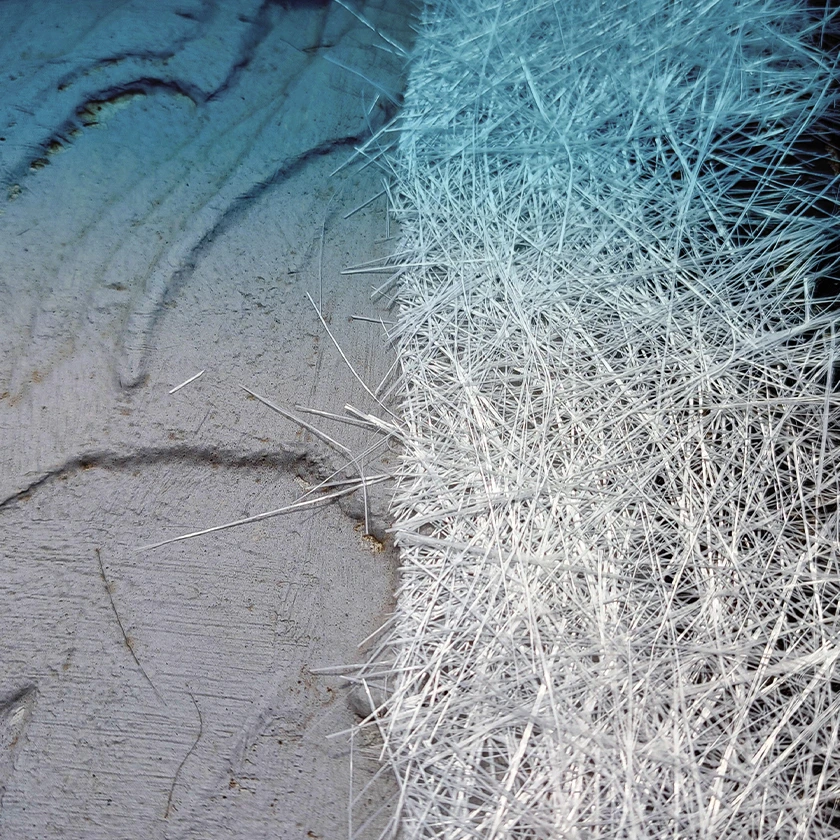
Concrete with fibers (to reduce cracking)
Concrete with fibers specifically designed to reduce cracking caused by thermal shrinkage and drying in slabs and concrete elements.
The fibers are uniformly distributed within the mix to act as a fine reinforcing mesh, minimizing crack width and improving surface durability.
It helps increase impact and flexural strength, extending the service life of concrete in industrial floors, warehouses, and parking garages.
It is an economical alternative or complement to light reinforcement in many applications, reducing the need for traditional steelwork in some cases.
It is easy to apply using standard casting equipment, without requiring special procedures, while maintaining the quality and finish of the concrete surface.
The fibers are uniformly distributed within the mix to act as a fine reinforcing mesh, minimizing crack width and improving surface durability.
It helps increase impact and flexural strength, extending the service life of concrete in industrial floors, warehouses, and parking garages.
It is an economical alternative or complement to light reinforcement in many applications, reducing the need for traditional steelwork in some cases.
It is easy to apply using standard casting equipment, without requiring special procedures, while maintaining the quality and finish of the concrete surface.
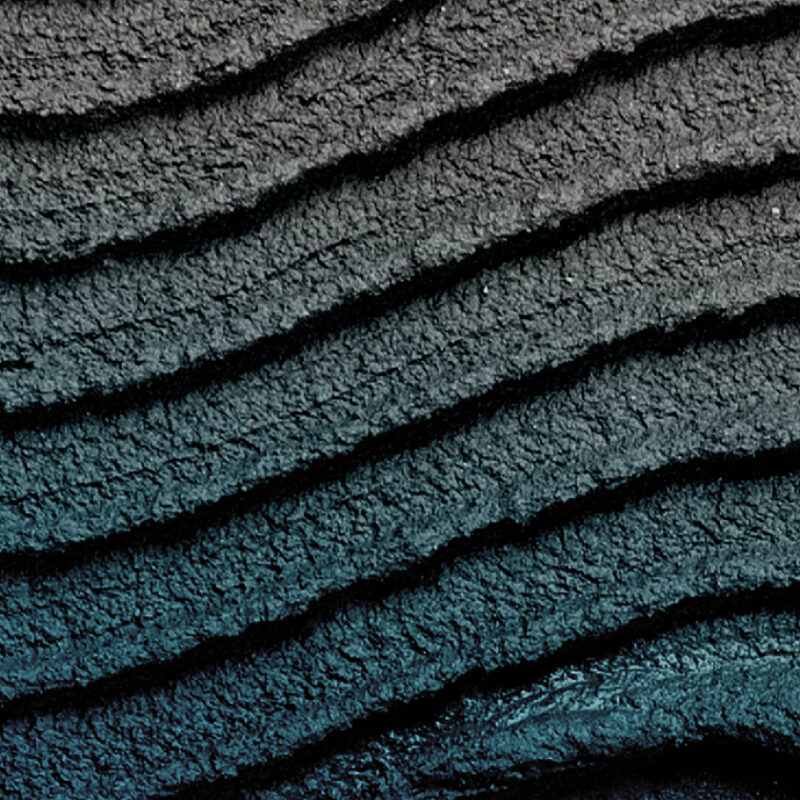
Concrete with conflicting requirements
Concrete with conflicting requirements is a specialized concrete carefully formulated to achieve seemingly contradictory properties, such as high strength and excellent workability.
This mix allows for strong, durable concrete while minimizing bleeding and segregation during pouring and compaction.
It is used when a project demands high structural performance with rapid execution and easy pouring in complex or heavily reinforced sections.
The proportions of the components and admixtures are chemically and mineralogically adjusted to achieve the optimal balance between strength, resistance, and workability.
It is an advanced engineering choice for projects requiring specialized solutions that exceed the capabilities of conventional mixes and ensure long-term performance.
This mix allows for strong, durable concrete while minimizing bleeding and segregation during pouring and compaction.
It is used when a project demands high structural performance with rapid execution and easy pouring in complex or heavily reinforced sections.
The proportions of the components and admixtures are chemically and mineralogically adjusted to achieve the optimal balance between strength, resistance, and workability.
It is an advanced engineering choice for projects requiring specialized solutions that exceed the capabilities of conventional mixes and ensure long-term performance.
Underwater concrete
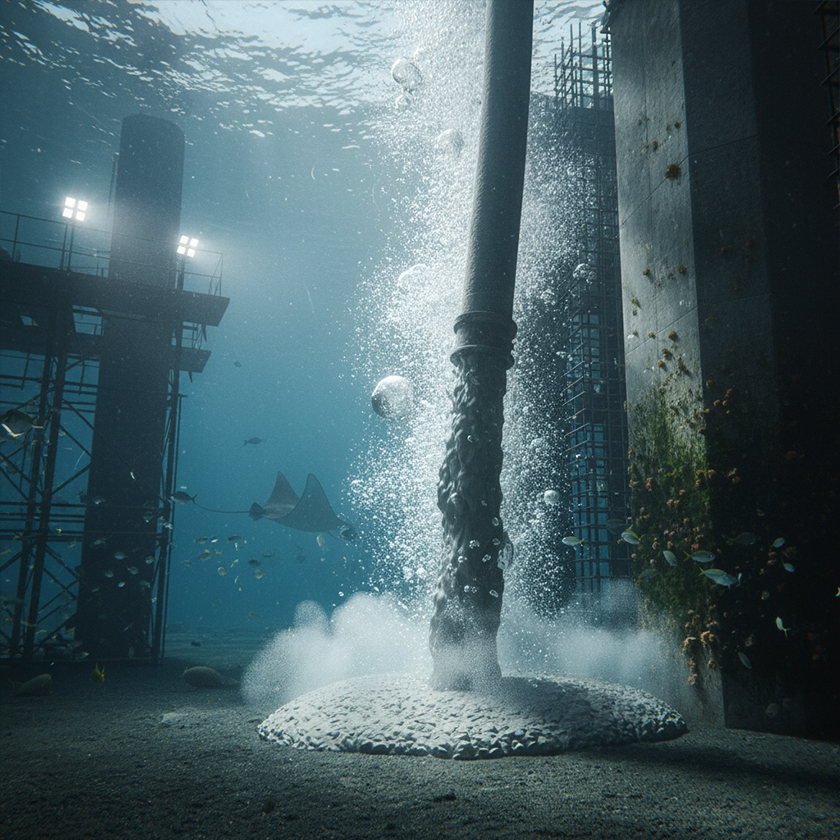
Underwater concrete is a specialized concrete that is poured and applied directly in submerged environments without segregation or cement loss.
It contains enhanced admixtures that increase the viscosity of the mix and prevent the cement paste from drifting with the water during pouring.
It offers high resistance to washing and abrasion, making it ideal for marine piers, bridges, bridge foundations, and underwater tunnels.
It ensures good reinforcement coverage with minimal voids, thus extending the service life of underwater concrete elements.
It is applied using specific pouring and pumping procedures to guarantee the concrete's quality and stability at varying depths and under diverse flow conditions.
It contains enhanced admixtures that increase the viscosity of the mix and prevent the cement paste from drifting with the water during pouring.
It offers high resistance to washing and abrasion, making it ideal for marine piers, bridges, bridge foundations, and underwater tunnels.
It ensures good reinforcement coverage with minimal voids, thus extending the service life of underwater concrete elements.
It is applied using specific pouring and pumping procedures to guarantee the concrete's quality and stability at varying depths and under diverse flow conditions.
Fire-resistant concrete
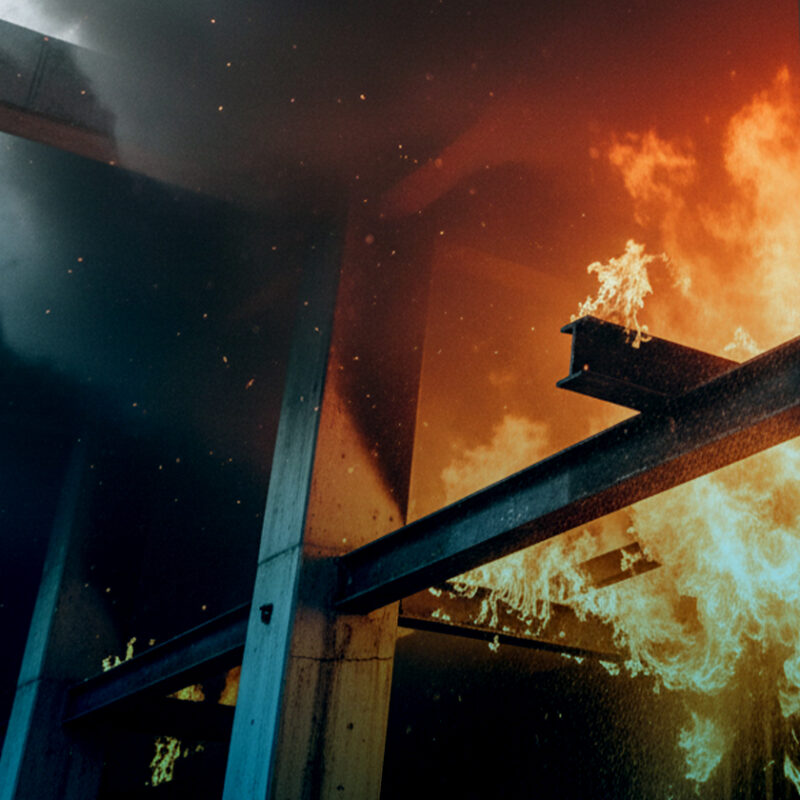
Fire-resistant concrete is designed to withstand high temperatures for extended periods without significant loss of strength or cohesion.
It utilizes special additives and suitable aggregates that minimize thermal expansion and fragmentation when exposed to direct flame.
It helps protect reinforcing steel and slows heat transfer into structural elements, thus extending safety time during fires.
It is an ideal choice for industrial buildings, escape corridors, generator rooms, and highly sensitive storage facilities.
It contributes to raising the building's fire resistance rating according to regulations and codes, while maintaining structural integrity and minimizing damage losses.
It utilizes special additives and suitable aggregates that minimize thermal expansion and fragmentation when exposed to direct flame.
It helps protect reinforcing steel and slows heat transfer into structural elements, thus extending safety time during fires.
It is an ideal choice for industrial buildings, escape corridors, generator rooms, and highly sensitive storage facilities.
It contributes to raising the building's fire resistance rating according to regulations and codes, while maintaining structural integrity and minimizing damage losses.
Heavy-duty concrete (for radiation resistance and military purposes)
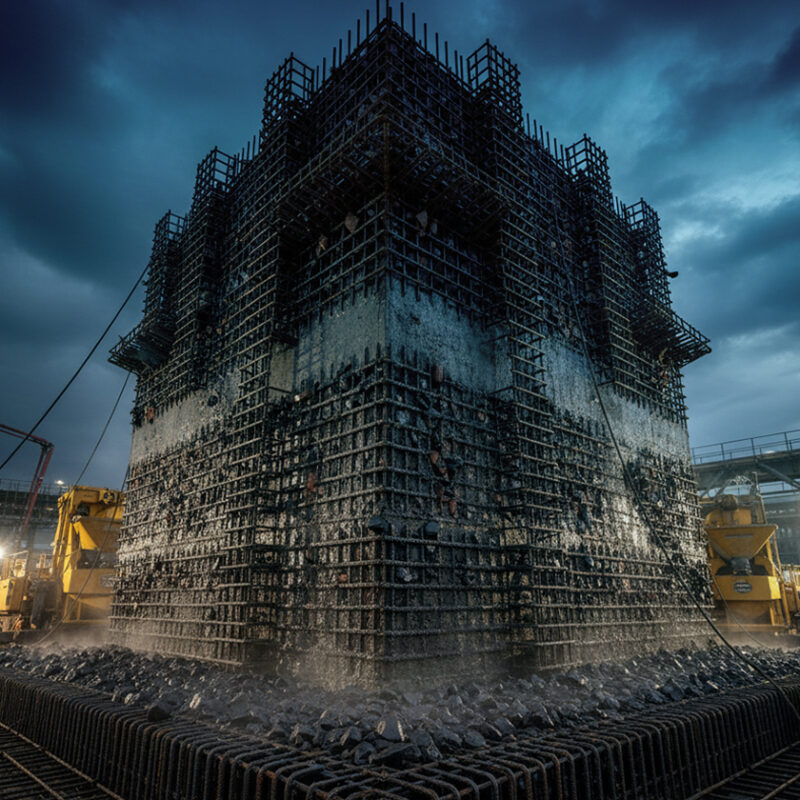
Heavy-duty concrete is used in facilities requiring high levels of radiation protection, such as reactors, radiotherapy rooms, and nuclear facilities.
It is manufactured using special heavy aggregates to increase density, which enhances its ability to absorb radiation and reduce its penetration.
It is an ideal choice for military applications and concrete fortifications that require extra resistance to explosions and shrapnel.
It provides a high level of protective safety for personnel and sensitive equipment withinprotected facilities.
It is designed according to specific requirements and international codes to ensure effective radiation shielding and long-term durability.
It is manufactured using special heavy aggregates to increase density, which enhances its ability to absorb radiation and reduce its penetration.
It is an ideal choice for military applications and concrete fortifications that require extra resistance to explosions and shrapnel.
It provides a high level of protective safety for personnel and sensitive equipment withinprotected facilities.
It is designed according to specific requirements and international codes to ensure effective radiation shielding and long-term durability.
Environmentally sustainable concrete with low carbon dioxide emissions
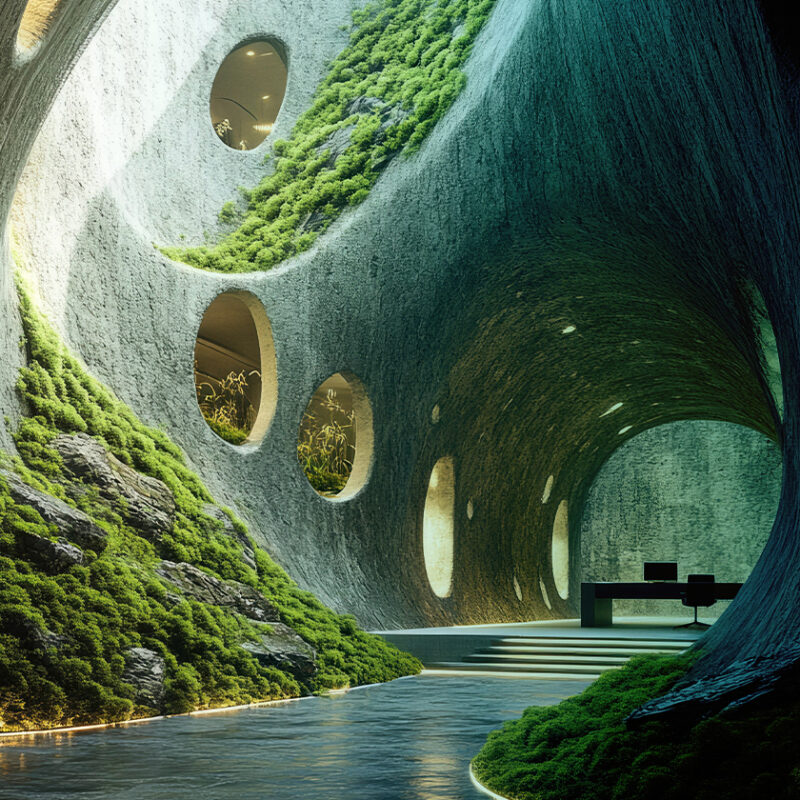
Environmentally sustainable concrete with low CO2 emissions is designed to minimize the carbon footprint of construction projects.
It utilizes low-emission cement or cementitious alternatives such as fly ash and slag in its manufacturing to enhance sustainability.
It helps reduce a building's carbon footprint while maintaining the strength and durability requirements of engineering codes.
It is an ideal choice for green projects that have obtained sustainability certifications such as LEED and other building rating systems.
It balances structural performance with environmental responsibility, supporting companies' shift towards eco-friendly construction.
It utilizes low-emission cement or cementitious alternatives such as fly ash and slag in its manufacturing to enhance sustainability.
It helps reduce a building's carbon footprint while maintaining the strength and durability requirements of engineering codes.
It is an ideal choice for green projects that have obtained sustainability certifications such as LEED and other building rating systems.
It balances structural performance with environmental responsibility, supporting companies' shift towards eco-friendly construction.
Waterproof concrete and corrosion-resistant concrete
Waterproof and corrosion-resistant concrete designed to protect concrete elements and reinforcing steel in humid and aggressive environments.
It features low permeability thanks to special chemical additives and an improved particle size distribution that seals pores and reduces water and salt penetration.
Corrosion inhibitors and modifiers are used to increase the concrete's alkalinity and limit the penetration of chlorides and carbon dioxide to the reinforcing steel.
Ideal for foundations, basements, tanks, coastal structures, bridges, and treatment plants exposed to water and chemicals.
It is an advanced preventative solution that extends the lifespan of concrete structures and significantly reduces future repair and maintenance costs.
It features low permeability thanks to special chemical additives and an improved particle size distribution that seals pores and reduces water and salt penetration.
Corrosion inhibitors and modifiers are used to increase the concrete's alkalinity and limit the penetration of chlorides and carbon dioxide to the reinforcing steel.
Ideal for foundations, basements, tanks, coastal structures, bridges, and treatment plants exposed to water and chemicals.
It is an advanced preventative solution that extends the lifespan of concrete structures and significantly reduces future repair and maintenance costs.
Self-compacting concrete
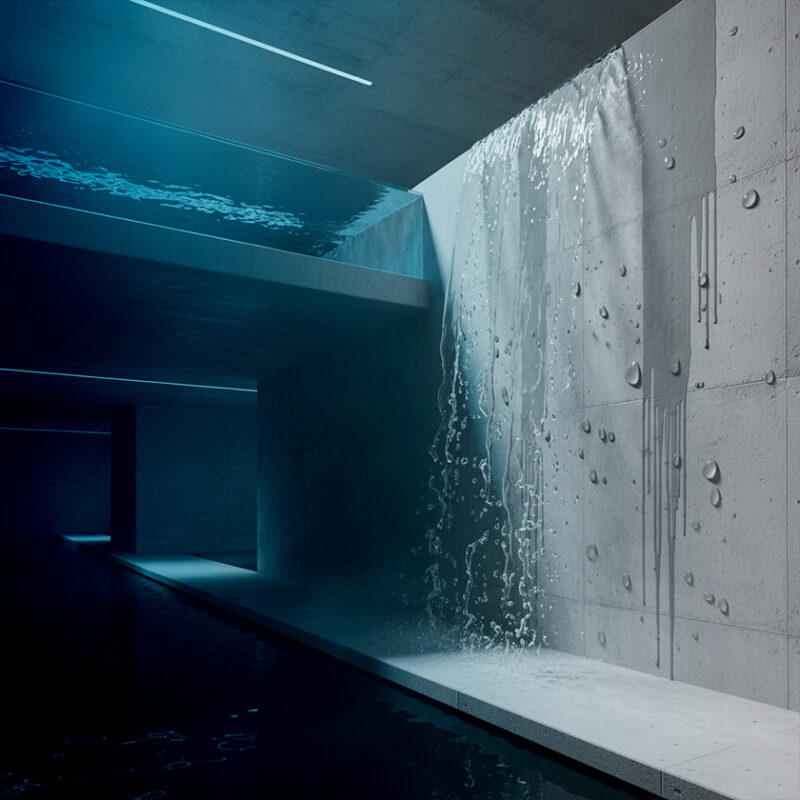
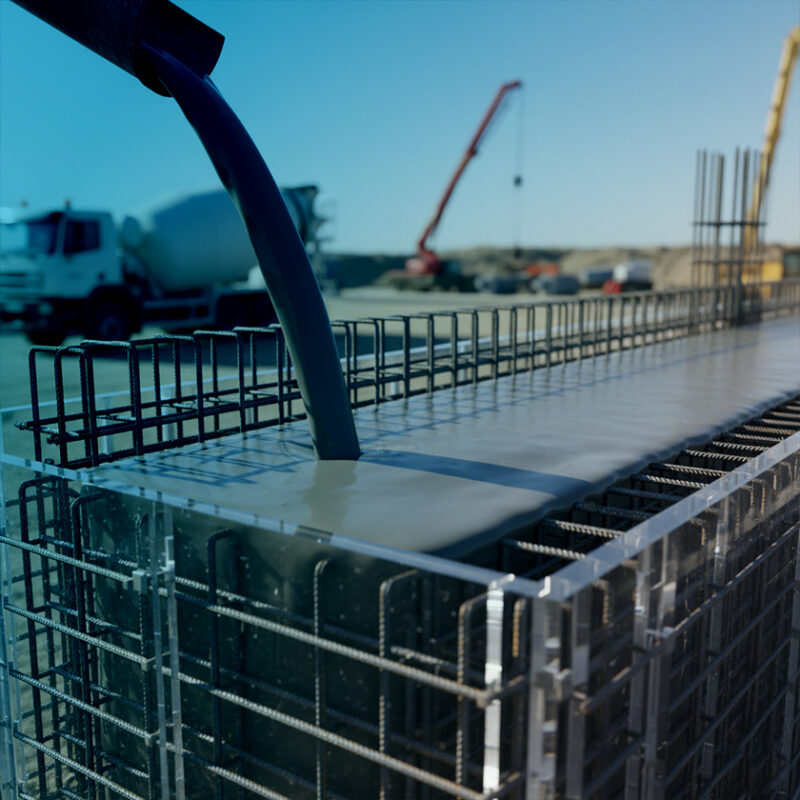
Self-compacting concrete is a highly fluid concrete that flows under its own weight without the need for mechanical vibration.
It fills and surrounds all voids between reinforcing steel, reducing the risk of honeycombing and improving the homogeneity of the concrete element.
It provides a high-quality finished surface while minimizing casting defects and repair work after formwork removal.
It is suitable for heavily reinforced elements, tall columns, and elements with complex shapes that are difficult to compact using conventional methods.
It contributes to reducing construction time, site noise, and labor costs, while maintaining the strength and durability requirements of building codes.
It fills and surrounds all voids between reinforcing steel, reducing the risk of honeycombing and improving the homogeneity of the concrete element.
It provides a high-quality finished surface while minimizing casting defects and repair work after formwork removal.
It is suitable for heavily reinforced elements, tall columns, and elements with complex shapes that are difficult to compact using conventional methods.
It contributes to reducing construction time, site noise, and labor costs, while maintaining the strength and durability requirements of building codes.
Shotcrete (all grades)
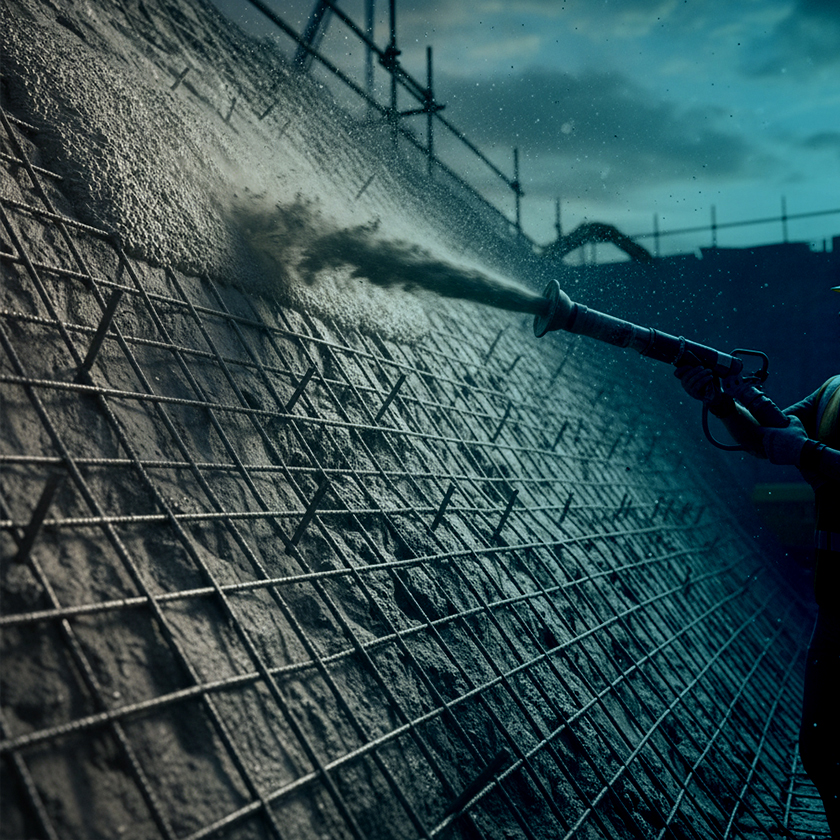
Shotcrete is concrete that is pumped and sprayed at high pressure onto surfaces using special hoses, eliminating the need for traditional formwork.
It provides excellent adhesion to vertical and inclined surfaces, making it ideal for reinforcing retaining walls, slopes, and tunnels.
It can be applied in all resistance grades according to project requirements, whether for construction, restoration, or reinforcement work.
It allows for the creation of concrete layers of varying thicknesses, with the option of adding reinforcing steel mesh for increased durability and strength.
It offers a quick and effective solution for hard-to-reach locations, reducing construction time and lowering the costs of traditional formwork and construction.
It provides excellent adhesion to vertical and inclined surfaces, making it ideal for reinforcing retaining walls, slopes, and tunnels.
It can be applied in all resistance grades according to project requirements, whether for construction, restoration, or reinforcement work.
It allows for the creation of concrete layers of varying thicknesses, with the option of adding reinforcing steel mesh for increased durability and strength.
It offers a quick and effective solution for hard-to-reach locations, reducing construction time and lowering the costs of traditional formwork and construction.
Roller-compacted concrete (RCC) (all grades)
Roller-compacted concrete (RCC) is a low-slump concrete that is laid and compacted using road paving equipment and heavy rollers instead of traditional casting methods.
It is characterized by its rapid execution and ability to cover large areas quickly while achieving high density and minimizing voids.
It can be produced in all strength grades according to project requirements, making it suitable for construction and industrial roads.
It is used efficiently in the construction of roads, heavy yards, factory floors, and high-load concrete dams.
It offers a robust and economical solution with a long service life, while reducing the consumption of reinforcing steel and traditional formwork and construction techniques.
It is characterized by its rapid execution and ability to cover large areas quickly while achieving high density and minimizing voids.
It can be produced in all strength grades according to project requirements, making it suitable for construction and industrial roads.
It is used efficiently in the construction of roads, heavy yards, factory floors, and high-load concrete dams.
It offers a robust and economical solution with a long service life, while reducing the consumption of reinforcing steel and traditional formwork and construction techniques.